
Overview
This design was made for my parents — both passionate gardeners who were reaching the age where digging and heavy garden maintenance was no longer practical. The central design challenge was to remove "work" from the food growing process as far as possible: a truly low-maintenance garden that still produces food and supports wildlife.
The design also had to work with a significant constraint: available hands-on time was only 5–10 days per year. That reality shaped every decision. My parents' deep love of watching birds and insects in the garden made permaculture the obvious approach — the design for low maintenance and the design for biodiversity naturally reinforce each other.
Methodology
This was one of the first designs where I could choose my own methodology freely. Having trained with SADIM and found it clear and logical, it was the natural first choice. I had not yet experimented with the alternatives.
Working Through the Design
Note: This design is documented in slide presentation format, originally used for teaching. Slides are shown in sequence through each design stage.
-
1
Introduction & Context
The presentation begins with a brief introduction to permaculture, designed to give context to an audience with no prior knowledge before moving into the design itself.
What is permaculture? 
Ethics and principles 
Design overview -
2
Survey — Site Analysis
A thorough survey of the existing garden: soil conditions, light and shade, existing plants, microclimates, zones and sectors.

Site survey overview 
Existing conditions 
Sun and shade analysis 
Zones and sectors -
3
Analyse — Making Sense of the Data

Analysis overview 
Client needs analysis 
Element analysis 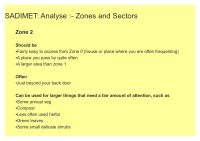
Input/output connections 
Plant selection criteria -
4
Design

Design principles applied 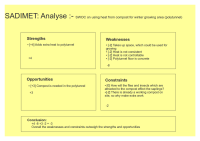
Design overview 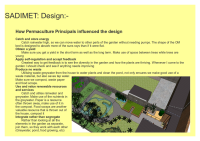
Plant plan 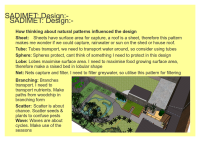
Final design -
5
Implementation — Photo Gallery
The garden was implemented over several seasons. These photos document its transformation and establishment.

Early implementation 
Planting 
Establishing 
Growth 
Maturing garden 
Established 
Garden map 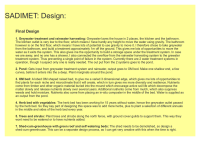
Final plan
Reflections & Outcomes
This design achieves its primary goal: a genuinely low-maintenance food and wildlife garden managed in only a handful of days per year. The combination of perennial planting, mulching, and working with the natural tendencies of the space means the garden increasingly looks after itself.
Looking back at this design now, some things would be done differently — but it serves as a valuable record of how my design thinking has evolved, and remains an honest example of applying permaculture to a real family situation with real constraints.